Digital 2026 Workout Template: Your 2026 Fitness Hub
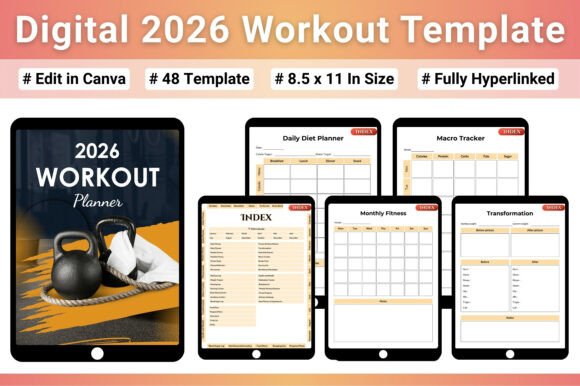
Staying consistent with fitness takes more than willpower — it takes a system that fits your life. The Digital 2026 Workout Template, a 48-page fully hyperlinked PDF, offers exactly that. It combines workout logs, diet tracking, meal planning, body measurements, running logs, and a 2026 calendar into one organized digital planner. Whether you train at home, in a gym, or on the road, this template helps you track progress without the hassle of separate apps or paper notebooks. It works on iPad, tablet, or desktop with apps like GoodNotes and Notability, making it accessible for anyone who prefers digital planning over physical binders.
What the Digital 2026 Workout Template Actually Includes
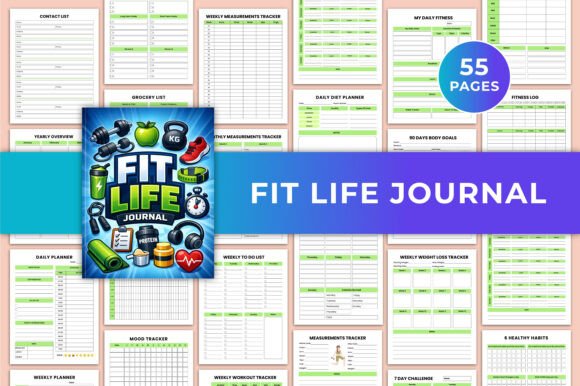
This isn't just a workout log with a calendar tacked on. The template packs 48 pages designed around the full cycle of fitness planning and tracking. You get a complete 2026 calendar for annual overview, monthly fitness overviews, weekly planners, and daily schedules. The workout section includes daily workout planners, weekly routines, a workout log, dedicated running log, and a transformation tracker. Diet and body sections cover macro tracking, meal logging, weight logs, sleep tracking, and progress photo pages. A to-do list and notes pages round out the package.
Being fully hyperlinked means you can jump from the monthly calendar directly to a specific daily workout page, click back to the main menu, or navigate to the running log without endless scrolling. This structure matters when you're in the middle of a session and need to log sets quickly.
Beginners and Those New to Structured Fitness
If you're new to tracking workouts or meal planning, the Digital 2026 Workout Template provides a ready-made structure that removes guesswork. You don't need to design your own system or remember what to log. The daily workout planner, meal tracker, and progress photo prompts guide you naturally. For example, a beginner focusing on weight loss can use the weight log and meal tracker together, seeing how food choices affect weekly numbers. The hyperlinked calendar helps you look back at a month and spot patterns — like skipping workouts on busy days — without needing to flip through separate notebooks.
Ease of use matters most here. The PDF format means you can start immediately after download. No app subscriptions, no setup tutorials. Open it in GoodNotes or Notability, and you're logging your first workout within minutes.
Experienced Athletes and Fitness Regulars
For those who already train consistently, the value shifts toward depth and flexibility. Experienced users often track more variables: macros, running pace, body measurements, and sleep quality alongside workout volume. The template includes all these in one place, which beats juggling a running app, a food diary, and a separate weight tracker. A regular runner, for instance, can use the running log to track distance, time, and pace while also logging strength sessions on daily workout pages. The yearly calendar becomes useful for periodizing training blocks and seeing long-term trends.
Reliability and speed matter here. Hyperlinked navigation means you can log a post-run entry in under thirty seconds. The consistent layout across all 48 pages means you won't hunt for where to write sets versus reps.
Fitness Coaches and Content Creators
Coaches and trainers often look for tools that can be shared with clients or adapted for group programs. The Digital 2026 Workout Template works as a client handout — a structured way for clients to track compliance between sessions. A coach might send the PDF to a client and review their workout log and meal entries during check-ins. The progress photo page helps document physical changes over months, which supports accountability.
Creators and bloggers in the fitness space may use this template as a content asset. A fitness blogger could feature it in a "how I plan my training year" post, or a YouTube creator might do a full walkthrough showing how to use hyperlinked PDFs for fitness tracking. The commercial value lies in how versatile it is: it appeals to both the creator's audience and the creator's own workflow.
Professionals and Entrepreneurs with Limited Time
For busy professionals, freelancers, and business owners, fitness tracking needs to be efficient. The Digital 2026 Workout Template's hyperlinked structure minimizes time spent logging. A founder who works long hours can quickly open the daily planner, log a 30-minute home session, note meals, and move on. The monthly overview helps them see at a glance whether they trained consistently across a quarter. The same person might also use the notes pages for quick reflections on how stress or sleep affected energy levels.
Long-term usefulness matters here. The 2026 calendar means this template lasts the entire year, providing continuity. You build a full year of data by December, which is far more valuable than scattered notes or abandoned app trials.
Educators and Hobbyists in Health-Related Fields
Educators teaching health, wellness, or physical education might find this template useful as a teaching tool. Students can use a simplified version of the workout log and meal tracker to understand the relationship between exercise, diet, and body changes. Hobbyists interested in body transformation — whether for a personal challenge or general curiosity — can use the transformation tracker and progress photo pages to document changes over months. The learning value comes from seeing real data accumulate, not just reading about fitness principles.
Ease of Use and Flexibility
If your main concern is getting started quickly, the Digital 2026 Workout Template wins on simplicity. It's a single PDF file, no installation, no learning curve. The hyperlinked table of contents means even a first-time digital planner user can navigate confidently. For those who want flexibility, each section works independently. You can skip the meal tracker if you're only focused on workouts, or use the weight log without touching the running log. Nothing is forced.
Cost and Value
Compared to monthly app subscriptions or buying separate paper planners for workouts and meals, a single PDF that covers the whole year offers strong value. You pay once and use it for 12 months across multiple devices. There's no recurring cost. For a freelancer or small business owner watching expenses, that matters. The 48 pages replace what might otherwise be several separate purchases.
Presentation and Aesthetic Consistency
Some users — especially creators and professionals — care about how their planner looks. The Digital 2026 Workout Template has a clean, consistent layout across all pages. Progress photos, workout logs, and meal trackers share a visual style that feels cohesive. For someone who shares their planning process on social media or uses screenshots in client communications, this consistency builds credibility.
Speed and Reliability in Daily Use
When you're mid-workout or short on time, clicking through a hyperlinked PDF should feel instant. The template is designed for that. Jumping from today's date in the weekly planner to the corresponding daily workout page takes one tap. No app lag, no sync delays. For a professional who only has 30 minutes for lunch and a workout, that speed preserves focus.
How to Tell If This Template Fits Your Goals
Ask yourself a few questions. Do you prefer digital tracking over paper or separate apps? Are you looking for one file that handles workouts, meals, and measurements for the entire year? Do you want a system that works offline, without needing internet access? If you answered yes to these, the Digital 2026 Workout Template likely aligns with your needs.
If, instead, you need advanced analytics, automatic charts, or integration with wearable devices, a dedicated fitness app might be a better fit. But if you want a simple, durable, human-readable record of your fitness year — with full control over your data and no algorithm — this PDF template offers something that most apps cannot.
Practical Examples for Different Reader Types
- Beginner at home: Open the weekly fitness planner on Monday. Log bodyweight squats, push-ups, and a short run. Use the meal tracker to note breakfast and lunch. At month end, check the calendar to see how many days you trained. Adjust the next month's plan accordingly.
- Experienced gym-goer: Use the daily workout planner to log sets, reps, and weights for each exercise. Track macros on the same page. At the end of each week, review the running log to see if pace improved. Use the progress photo page every four weeks.
- Fitness coach: Send the PDF to a new client. Ask them to complete the weekly planner and meal tracker before your next session. Review together using the hyperlinked navigation. Suggest they use the transformation tracker to document changes over three months.
- Freelancer with irregular schedule: Keep the PDF on your tablet. On busy days, just log the workout and skip the meal section. On slower days, fill in the daily fitness schedule and to-do list. Use the monthly overview to spot gaps and plan catch-up sessions.
- Health educator: Assign students to track one week of workouts and meals using the template. Discuss patterns in class. Have them use the weight log and measurement pages to see how consistent tracking leads to better awareness.
Long-Term Usefulness Beyond 2026
While the calendar is specific to 2026, the structure of the Digital 2026 Workout Template makes it reusable as a reference after the year ends. You can look back at completed months to see what worked — which training frequency you maintained, which eating habits helped you feel energized, how sleep correlated with workout performance. That historical data becomes more valuable over time. The template isn't just a planner; it's a personal fitness archive for one full year.
If you are someone who values building long-term habits and understanding your own patterns, this template gives you the framework to do that without complexity. It works for different starting points, different experience levels, and different goals. The only requirement is that you use it consistently — and the template itself is designed to make that consistency easier.