Master Your Schedule with the Monthly Planner 2026: A Practical Tool for Modern Professionals
In an era where digital calendars, project management apps, and collaborative scheduling tools have become the default, a curious counter-movement is taking shape. Professionals, creators, and entrepreneurs are rediscovering the tactile, intentional act of paper planning. The Monthly Planner 2026 sits at the intersection of this analog resurgence and the need for streamlined, customizable workflow tools. But this is not merely a nostalgic nod to the past; it is a carefully designed resource that addresses real, evolving needs in how we manage time, focus, and creative energy.
What makes the Monthly Planner 2026 stand out in a crowded market of printables and digital templates? Its value lies not in a long list of features, but in how it aligns with broader shifts in work culture, consumer preferences, and productivity philosophy. This article explores why planners are gaining renewed attention, how the Monthly Planner 2026 fits into current trends, and why professionals of all stripes are turning to such tools to regain clarity and control.
The Shifting Landscape of Time Management
Over the past decade, the average professional has experienced a radical transformation in how and where work happens. Remote and hybrid arrangements, asynchronous collaboration, and the blurring of boundaries between personal and professional life have all contributed to a sense of fragmentation. Digital calendars excel at showing what is scheduled, but they often fail to convey priorities, long-term goals, or the rhythm of a month. Many people find themselves reacting to notifications rather than proactively shaping their time.
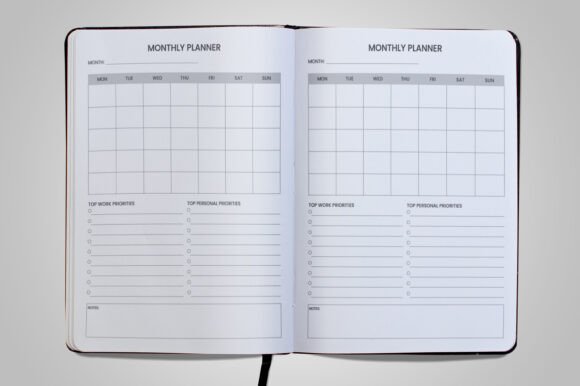
The Monthly Planner 2026 enters this context as a deliberate counterweight. By providing a clean, minimal layout across a physical (or printable) page, it encourages a monthly overview that is both comprehensive and uncluttered. This format forces the user to step back from the daily firehose and consider the month as a whole. For entrepreneurs managing multiple projects, marketers tracking campaign timelines, or freelancers balancing client work, such a macro perspective is invaluable.
Why Digital Native Professionals Are Turning to Paper (and Printables)
There is a growing recognition that digital tools, despite their convenience, can introduce cognitive overhead. Switching between apps, managing notifications, and dealing with sync issues takes mental energy. Moreover, the act of writing by hand has been shown to improve memory and comprehension. The Monthly Planner 2026 leverages this by offering a tactile planning experience that can be printed or used digitally (via the included JPG, PNG, and PDF versions), giving users the flexibility to choose their preferred medium.
“I used to rely entirely on Google Calendar, but I felt like I was always behind,” says a freelance graphic designer who now uses a monthly printable. “Seeing the whole month on one sheet helps me avoid overcommitting and allows me to spot gaps for deep work.” This sentiment echoes among many professionals who find that a monthly overview, combined with a clean design, reduces cognitive load and increases follow-through.
The Rise of Minimalist and Customizable Planning
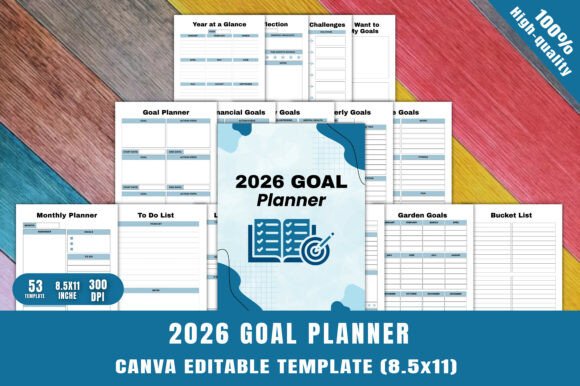
Another trend driving interest in the Monthly Planner 2026 is the shift toward minimalism and customization. Gone are the days when planners were cluttered with pre-printed sections for habits, water intake, or gratitude lists—features that may not suit everyone’s workflow. The modern professional values tools that can be adapted to their unique process. The Monthly Planner 2026 responds to this by offering a clean minimal design with unique layouts, and importantly, two versions per page. This allows users to choose between a standard layout and an alternative that might better fit their style or needs.
Furthermore, the inclusion of a source file in the package empowers users to modify colors, add fields, or change the structure entirely. For marketers and creatives who might want to brand the planner for themselves or their team, this level of customization is a game-changer. It transforms a passive template into an active tool that evolves with the user’s requirements.
Practical Benefits for Specific Roles
Different professionals extract different value from the Monthly Planner 2026. For entrepreneurs, the monthly view is essential for tracking business milestones, cash flow cycles, and strategic initiatives. A single glance can reveal whether the month is balanced between revenue-generating activities and maintenance tasks. For marketers, who often plan campaigns weeks or months in advance, the planner becomes a canvas for mapping out content calendars, launch dates, and key performance reviews. The 8.5 × 11 inch size provides ample room for notes without being unwieldy.
Freelancers and creators appreciate the flexibility of using the planner in a binder or as a standalone sheet. The 300 DPI resolution ensures that printouts are crisp, even when enlarged or reduced. Many users report that having a physical copy on their desk reduces the temptation to check emails during planning sessions. The planner becomes a focal point for intentional decision-making.
Changing Expectations Around Productivity Tools
The market for planners and productivity templates has matured. Consumers no longer accept one-size-fits-all solutions. Instead, they seek tools that are insightful, practical, and forward-looking without being speculative. The Monthly Planner 2026 aligns with this by focusing on what matters: a clean, usable layout that supports monthly planning without extra fluff. The two versions per page cater to different planning styles—some may prefer a horizontal week spread, while others want more space for notes.
Moreover, the availability of multiple file formats (JPG, PNG, PDF, and source file) reflects a broader trend toward interoperability. Professionals want to use their tools across different platforms and devices. PDF version is ideal for digital annotation apps like GoodNotes or Notability, while the PNG and JPG versions can be imported into design software or used as backgrounds. This flexibility acknowledges that workflows are hybrid and personal.
The Psychology of a Monthly View
Psychological research supports the benefits of a broader temporal perspective. When individuals plan at the monthly level, they are better able to align daily actions with long-term goals. The monthly planner acts as a bridge between high-level aspirations and concrete tasks. By filling in a monthly spread, users naturally engage in “time blocking” and priority setting, two practices that are consistently linked with higher productivity and lower stress.
For example, a content creator might use the Monthly Planner 2026 to block out weeks for research, writing, filming, and editing. By seeing the month in one view, they can ensure that each week has a clear theme without overlapping commitments. This is far more effective than reacting to a daily to-do list that lacks context.
Broader Industry and Consumer Trends
The renewed interest in printable planners like the Monthly Planner 2026 is part of a larger shift toward intentional living and slow productivity. After years of hustle culture and constant connectivity, many professionals are prioritizing sustainable work practices. The planner supports this by encouraging a rhythmic approach to time management—monthly cycles instead of frantic daily sprints.
Additionally, the printable market has grown as more people seek to reduce digital screen time. Even those who use digital planning tools often complement them with physical prints. The Monthly Planner 2026, with its no-bleed design and high DPI, caters to this hybrid lifestyle. The 8.5 × 11 inch standard size fits easily into most binders and portfolios, making it a seamless addition to existing organizational systems.
Observations from Users and Early Adopters
Early users of the Monthly Planner 2026 have noted several practical advantages. One project manager shared how the two versions per page allowed her to test which layout worked best for her team before committing. “We ended up using one version for team milestones and the other for individual task tracking,” she said. Another user, a small business owner, appreciated the source file inclusion: “I tweaked the colors to match my brand, printed a stack for the year, and now I have a cohesive planning system that looks professional in client meetings.”
These examples underscore a key insight: the Monthly Planner 2026 is not just a product but a foundation for a personalized system. Its minimalist design does not dictate how one should plan; instead, it provides a canvas that respects the user’s autonomy. This aligns with a broader consumer trend where people are rejecting rigid structures in favor of adaptable tools.
Connecting to Larger Developments in Work and Lifestyle
As artificial intelligence and automation handle more routine tasks, the human role in planning and creativity becomes more critical. A planner like the Monthly Planner 2026 helps individuals focus on what machines cannot: strategic thinking, prioritization, and reflection. By providing a simple monthly framework, it enables professionals to reclaim the “big picture” thinking that is often lost in the noise of daily operations.
Moreover, the rise of asynchronous work has made monthly planning more relevant than ever. Teams that operate across time zones cannot rely on daily stand-ups; instead, they need shared visibility into monthly goals and progress. The Monthly Planner 2026 can serve as a personal alignment tool, ensuring that individual contributions sync with team objectives.
The emphasis on clean design and unique layouts also speaks to a deepening appreciation for aesthetics in productivity tools. People want their planning tools to be visually pleasing, not just functional. This is not superficial—a well-designed planner reduces friction and makes the act of planning something to look forward to. The Monthly Planner 2026’s minimal design achieves this by using space, typography, and structure in a way that is calming yet effective.
Practical Considerations for Choosing Monthly Planner 2026
For professionals evaluating whether the Monthly Planner 2026 fits their needs, a few practical aspects stand out. The 300 DPI resolution means that the printed planner will appear sharp, even when zoomed or scaled. The no bleed specification ensures that the content fits neatly within standard home or office printers without margins being cut off. The inclusion of both JPG and PNG formats allows for easy sharing or editing in photo software, while the PDF is ready for high-quality printing or digital annotation.
Entrepreneurs who value efficiency will appreciate the immediate availability of the product as a digital download (ZIP file). No shipping delays, no inventory issues—just instant access to a tool that can be used immediately. This aligns with the fast-paced nature of modern business, where waiting days for a physical planner can disrupt momentum.
Furthermore, the two versions per page provide a built-in A/B test for one’s planning style. Some may find that a more structured grid works better; others may prefer a spacious layout for freeform notes. Having both options in one download eliminates the need to purchase multiple templates.
Conclusion: A Tool for the Thoughtful Professional
The Monthly Planner 2026 is more than just a set of printable pages. It represents a thoughtful response to the complexities of modern time management. By combining minimal design, multiple format options, and customizability, it addresses the real-world needs of professionals who refuse to let their calendars run their lives. Whether used as a primary planning tool or a complement to digital systems, it offers a clear, actionable path to a more organized and intentional month.
As work continues to evolve, the demand for flexible, human-centered tools will only grow. The Monthly Planner 2026 is well-positioned to meet that demand, providing a practical, insightful, and professional solution for anyone seeking to master their schedule in 2026 and beyond.