Bible Devotion Planner Prayer Study: A Practical Tool for Daily Spiritual Growth
For many adults seeking to deepen their faith, the challenge is not a lack of desire but a lack of structure. Between work, family, and other responsibilities, finding consistent time for Bible reading, prayer, and reflection can feel overwhelming. A Bible Devotion Planner Prayer Study addresses this gap by combining multiple spiritual disciplines into a single, organized system. This article examines what this type of planner offers, how it compares to other approaches, and whether it fits your personal spiritual goals.
What Makes a Bible Devotion Planner Prayer Study Distinct?
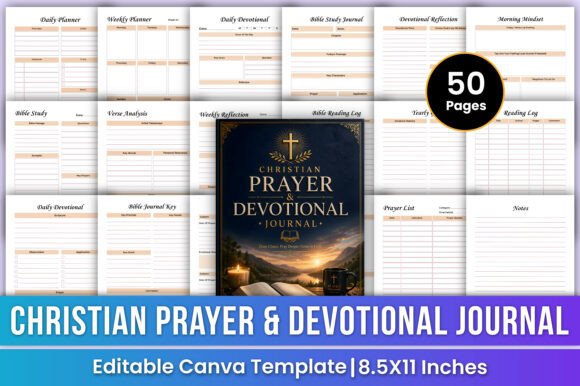
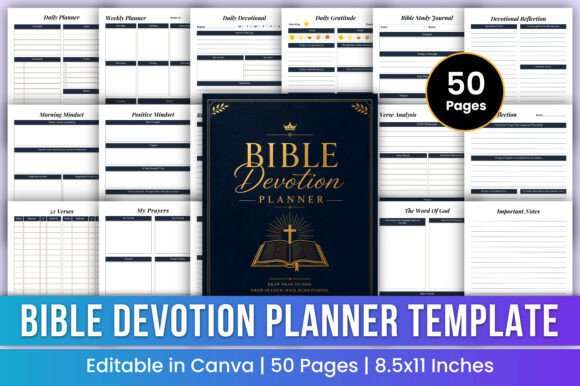
At its core, a Bible Devotion Planner Prayer Study is a dedicated notebook or digital template designed to guide daily quiet time. Unlike a standard journal or a plain notebook, it includes structured prompts and sections that encourage specific habits: recording scripture, writing personal reflections, tracking prayer requests, and noting sermon takeaways. The version described here includes daily devotional pages, a prayer journal with tracker, weekly planning space, gratitude reflection sections, Bible study verse analysis, mindset prompts, sermon notes, spiritual goals, and prayer lists.
What distinguishes this format from, say, a simple notebook or a Bible reading app is the intentional integration of multiple elements. Instead of flipping between a journal, a prayer list, and a reading plan, everything lives in one place. This reduces friction and helps build consistency. For someone who values both flexibility and guidance, the structured pages offer a gentle framework without being overly prescriptive.
Another distinct feature is the inclusion of mindset and positive thinking pages. While traditional devotion planners focus on scripture and prayer, adding a section for faith-based positivity recognizes that spiritual growth also involves renewing the mind. This broader scope may appeal to readers who want to address mental and emotional health alongside their faith practice.
Comparing Formats: Planner vs. Digital Apps vs. Freeform Journaling
When evaluating a Bible Devotion Planner Prayer Study, it helps to consider the alternatives. Many people start with a blank notebook, writing whatever comes to mind. This approach offers maximum freedom and creativity, but it can also lead to inconsistent habits or forgotten prayer requests. Without prompts, it is easy to drift into unstructured entries that feel less productive over time.
Digital Bible study apps provide reading plans, devotionals, and prayer reminders. They are convenient for on-the-go use and often include community features. However, they can also introduce distractions from notifications, social media, or other apps. Some people find that writing by hand helps them retain scripture better and fosters a deeper sense of focus. A physical planner like this one offers the benefits of handwriting without the need for screen time.
Pre-printed devotion journals are another alternative. These typically include daily scripture readings and reflection questions for a set period, such as 30 or 90 days. While helpful for short-term study, they may lack the flexibility to track ongoing prayer requests, weekly priorities, or long-term spiritual goals. The Bible Devotion Planner Prayer Study described here is designed for ongoing use, with undated pages that allow you to start at any time and continue at your own pace.
There is also the option of using a bullet journal or a custom planner. This gives total control over layout and content, but it requires time and effort to set up each section. For someone who prefers a ready-to-use solution, a structured planner saves that preparation work and provides a tested format that supports multiple disciplines simultaneously.
Strengths of This Type of Planner
Comprehensive structure. The inclusion of daily devotion, prayer tracking, weekly planning, gratitude, verse analysis, sermon notes, goals, and prayer lists means that every aspect of a faith journey can be documented in one book. This reduces the need for multiple tools and helps create a holistic practice.
Accountability and habit formation. When you have designated spaces for each activity, it becomes easier to check whether you have prayed, reflected, or studied. Over time, this builds a rhythm. Many users find that having a physical reminder encourages them to show up even on busy days.
Flexibility within structure. Despite its many sections, a good planner does not force you to use every page every day. You might focus on prayer one week and dive deeper into verse analysis the next. The sections are there when you need them, but you are free to adapt your routine.
Gratitude and mindset integration. The dedicated gratitude reflection and positive thinking pages address the emotional and psychological dimensions of faith. This can be especially valuable during difficult seasons when focusing on God's goodness becomes a deliberate act.
Tradeoffs and Limitations
No tool is perfect for everyone, and a Bible Devotion Planner Prayer Study has some tradeoffs worth considering.
Time commitment. With so many sections, there is a risk of feeling pressured to fill everything in. For a person with limited time, a simpler approach might feel more sustainable. If you are just starting your devotional practice, a lighter format might help you build momentum before adding more layers.
Physical size and portability. A comprehensive planner with many pages can be bulky. If you prefer to carry your devotional materials in a small bag or purse, a thinner notebook or a digital option might be more practical. The described planner is available as a print PDF, so you can choose to print only the pages you need, but the full set may still be sizeable.
Personalization limits. While structured prompts are helpful for many, they may feel restrictive to someone who prefers free-form journaling or creative expression. If you like to draw, write poetry, or use collage in your spiritual practice, a blank notebook might serve you better.
Editable template requires effort. The product includes an editable Canva link, which allows customization. This is a powerful feature for those who want to adjust layout, add personal prompts, or change colors. However, it also requires a basic comfort level with Canva and the willingness to invest time in customization. For someone who wants a ready-printed book, this step may feel like extra work.
When This Planner Is the Right Choice
This type of Bible Devotion Planner Prayer Study works best for individuals who:
- Appreciate structured guidance but also want room for personal expression.
- Are committed to building a consistent daily devotion habit and want a tool that supports multiple disciplines.
- Value tracking prayer requests and seeing answers over time.
- Want to integrate gratitude and positive thinking into their faith practice.
- Prefer handwriting over digital note-taking for focus and retention.
- Are willing to spend 15–30 minutes per day on their devotional time.
It is also a good fit for someone who enjoys reviewing past entries to see spiritual growth. The prayer tracker and goal pages allow you to look back and recognize how God has been at work, which can be encouraging during dry seasons.
When Another Option May Work Better
Consider a simpler format if:
- You are new to daily devotion and want to start with just scripture reading and a single sentence of reflection.
- You prefer digital tools and find apps more convenient for your lifestyle.
- You have very limited time and need a 5-minute devotional option.
- You want a guided study that walks through a specific book of the Bible or theme.
- You dislike writing by hand or find it physically difficult.
A single-section prayer journal or a simple notebook might serve you better in these cases. Alternatively, a devotional book with daily readings and questions could provide the structure you need without the breadth of sections.
Practical Decision Factors
When deciding whether a Bible Devotion Planner Prayer Study aligns with your needs, ask yourself these questions:
- What is your current devotional habit? If you already have a consistent practice, this planner can help deepen and expand it. If you are starting from scratch, consider whether the number of sections feels motivating or overwhelming.
- How much time can you realistically commit? If you have 10 minutes a day, you might use only the daily devotion and prayer list pages. That is fine, but you will not use the full capacity of the planner.
- Do you value tracking and review? The prayer tracker and goal pages are powerful for those who like to monitor progress and see patterns. If you prefer to live in the moment without documentation, a simpler journal may feel more natural.
- Are you comfortable with customization? The editable Canva link is a bonus for personalization, but only if you are willing to use it. If you want a ready-to-print product, confirm that the PDF meets your needs without modification.
Realistic Use Scenarios
Imagine a working parent with 20 minutes each morning. They use the daily devotion page to write a key verse and a brief reflection, then record one prayer request. On weekends, they have more time for verse analysis and sermon notes. The weekly planning page helps them align their priorities with their faith goals. Over several months, they fill the prayer list and see answered prayers accumulate. This planner fits their rhythm because it adapts to their available time while still providing structure.
Now consider a college student who prefers digital notes and uses a Bible app with built-in reading plans. They take sermon notes on their phone and rarely write by hand. For them, the physical planner might feel like an extra step rather than a helpful tool. They would benefit more from an app that consolidates their prayer requests and reading progress digitally.
In another scenario, a small group leader uses the sermon notes and Bible study pages to prepare for weekly meetups. The gratitude section helps them model a thankful mindset for the group. The spiritual goals pages let them track their personal growth alongside their leadership responsibilities. For this person, the comprehensive planner supports both personal devotion and ministry preparation.
Making the Most of a Bible Devotion Planner Prayer Study
If you decide to use this kind of planner, here are a few practical tips:
- Start small. Do not feel obligated to use every section from day one. Pick two or three pages that address your current needs and add more as you build the habit.
- Be consistent, not perfect. Missing a day is normal. The planner is a tool, not a taskmaster. Focus on showing up regularly rather than filling every blank.
- Customize for your season. Use the editable Canva link to adjust prompts, remove sections you do not need, or add pages that fit your current focus. A planner that evolves with you will stay relevant longer.
- Review regularly. Set aside time each month to look back at prayer requests answered, gratitude entries, and goals met. This practice reinforces faith and encourages persistence.
Final Thoughts on Choosing Your Approach
A Bible Devotion Planner Prayer Study is not a magic solution. It will not replace the discipline of showing up, nor will it guarantee spiritual growth. What it offers is a thoughtful framework that makes daily devotion more accessible and organized. For many adults, having a designated space for scripture, prayer, reflection, and goals removes common barriers and helps faith become a consistent part of life.
The key is to match the tool to your current habits, time, and preferences. If you thrive with structure and appreciate having multiple disciplines integrated into one book, this format deserves your consideration. If you prefer minimalism, digital tools, or complete freedom in your journaling, a different approach may serve you better. Either way, the goal is the same: to draw closer to God in a way that feels sustainable and meaningful for your unique season of life.