2027-2028 Mental Health Anxiety Journal: A Practical Resource for Self-Guided Reflection and KDP Publishing
Managing anxiety is rarely a linear process. Many adults between their twenties and fifties find that a structured, written approach to tracking thoughts, triggers, and coping strategies provides a stable anchor during uncertain periods. The 2027-2028 Mental Health Anxiety Journal is one such tool, designed specifically for those who prefer a guided yet flexible framework for self-reflection. But what does this journal actually offer, and how does it compare to the many other formats available? Understanding its design, intended use, and practical tradeoffs can help you decide whether it fits your personal or professional goals.
What the 2027-2028 Mental Health Anxiety Journal Is and What Makes It Distinct
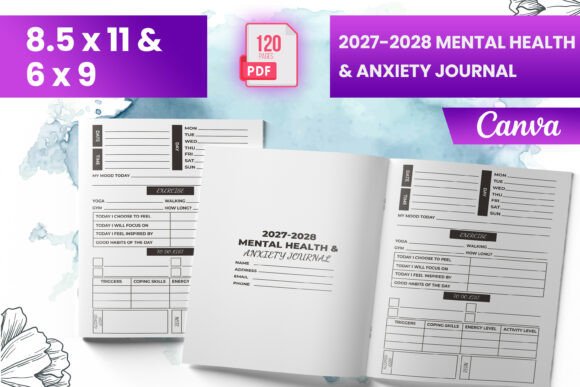
At its core, this journal is a dated, two-year guided notebook that covers the calendar period from 2027 through 2028. It is structured around common anxiety management techniques, such as daily mood tracking, thought logging, gratitude prompts, and coping strategy reviews. With 120 pages and a clean interior layout, it provides a consistent structure without overwhelming the user with excessive prompts.
What sets it apart from many standard notebooks or generic planners is its dual focus on both mental health documentation and practical usability for independent publishing. The journal comes as a complete, ready-to-upload PDF interior that has been tested on Amazon KDP for formatting, sizing, and bleed requirements. It is available in two trim sizes: 6 x 9 inches and 8.5 x 11 inches, each set up with full bleed for professional print quality. This means you can use it as your own personal journal or, if you are a content creator or self-publisher, upload it directly to KDP as an interior file for a low-content or medium-content book.
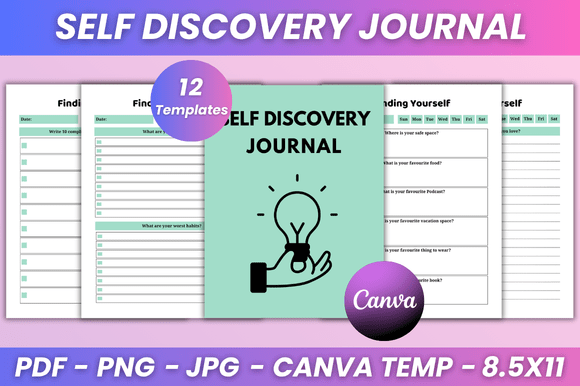
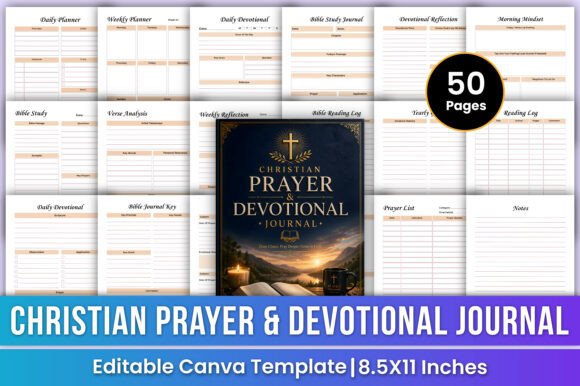
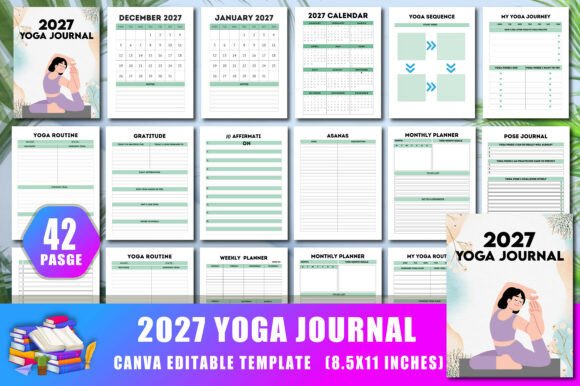
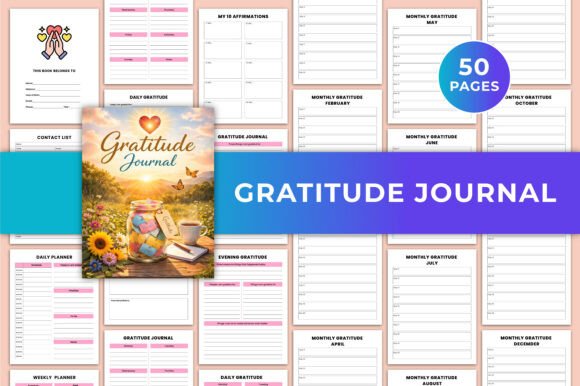
The package also includes PNG and JPG files, which adds flexibility for those who want to repurpose pages digitally or use them in other design tools. For anyone familiar with Canva, the template compatibility allows further customization of colors, fonts, or layout elements before printing or publishing.
How This Journal Compares with Other Journaling Approaches
When evaluating the 2027-2028 Mental Health Anxiety Journal, it helps to consider the broader landscape of mental health journaling options. People typically choose among three main categories: undated or generic notebooks, digital journaling apps, and specialized pre-designed journals or planners.
- Generic notebooks or plain journals: These offer maximum freedom, but require you to create your own structure from scratch. For someone with anxiety, the lack of guidance can sometimes feel overwhelming rather than liberating. The 2027-2028 journal provides prompts and sections that reduce the cognitive load of deciding what to write each day.
- Digital journaling apps: Apps like Day One, Stoic, or various mood trackers offer reminders, data visualization, and cloud syncing. They are excellent for people who prefer typing, want analytics, or need portability across devices. However, they depend on screen time, battery life, and sometimes subscription costs. A printed journal like this one offers a tactile, distraction-free experience that many adults find more grounding for reflective work.
- Other pre-designed KDP journals or mental health planners: Many similar products exist on Amazon, but their quality varies significantly. Some have overly complex layouts, thin paper, or incomplete testing for KDP formatting. This journal distinguishes itself with its clear structure, two-year date range, and verified compatibility across print settings, which saves time and reduces the risk of rejection or poor print quality for publishers.
Strengths
- Structured but not rigid: The 120-page count allows for roughly two entries per week, plus extra pages for notes or self-assessment. This cadence is sustainable for many people without feeling like a chore.
- Two-year coverage: Unlike single-year planners, this journal covers a longer period, which can help users see patterns across seasons and life events. It is especially useful for people who want to track progress over time without buying a new book each year.
- KDP-ready with tested files: The interior has been formatted for Amazon KDP with proper bleed margins, trim lines, and page counts that meet KDP's minimum requirements. This is a significant time-saver for anyone who wants to publish under their own brand without dealing with formatting errors.
- Multiple file formats: The inclusion of PDF, PNG, and JPG files means you can print individual pages for personal use, edit them in Canva or Photoshop, or upload them to various platforms. This flexibility is rare in ready-to-publish interiors.
- Introductory page sets the tone: The inclusion of an intro page helps users understand the journal's purpose and how to use it effectively, which is often missing in generic notebooks.
Tradeoffs and Limitations
- Limited daily space: With 120 pages over two years, this is not a daily journal. It is best suited for periodic reflection (e.g., a few times per week) rather than intensive daily logging. If you prefer to write every day or need more space per entry, you may need a thicker journal or a supplement.
- Not customizable to individual preferences: While the Canva template allows some customization, the prompts and layout are fixed. Someone who wants a totally free-form diary or very specific tracking metrics (e.g., hourly mood sliders, medication logs) might find this journal too generalized.
- No digital syncing or analytics: This is a physical or digitally printed product without app integration. If you rely on data trends or want your journal to sync with a health app, you would need a different tool.
- Requires basic design effort for publishing customization: Even though the files are ready to upload, if you want to add your own cover, adjust colors, or modify prompts, you need at least basic familiarity with Canva or similar software. This is not a fully ready-to-sell product without some finishing touches.
When the 2027-2028 Mental Health Anxiety Journal May Be the Right Choice
This journal works well for several specific scenarios. If you are someone who wants a guided structure for managing anxiety without feeling pressured to write daily, the two-year spread with weekly prompts fits naturally. Adults who value consistency over volume will appreciate the manageable number of pages and clear prompts.
For self-publishers, this interior is particularly useful if you are launching a line of mental health or wellness journals on KDP and need a tested, reliable file that meets Amazon's technical requirements. The two-year format is a unique selling point in a market dominated by one-year or undated journals. You can use the PNG and JPG files for mockups, previews, or promotional materials, as well as for creating a print-on-demand product with minimal editing.
Additionally, if you are a coach, therapist, or support group facilitator who wants to offer a take-home resource for clients, this journal provides a ready-made tool that is inexpensive to print in small batches. Having the interior already laid out saves hours of design and testing work.
When You Might Consider an Alternative
If your goal is to journal every single day with extensive space for writing, this 120-page format will likely feel cramped. In that case, a thicker journal, a separate daily planner, or a digital app with unlimited typing space could be a better fit.
Similarly, if you need a journal that includes very specialized content—such as CBT worksheets, exposure hierarchy logs, or detailed medication trackers—the general prompts in this journal may not be specific enough. You could supplement it with additional worksheets, or look for a more niche product that targets your exact needs.
For those who prefer the convenience of cloud backup and searchable entries, a digital journaling app remains a strong alternative. While the tactile nature of paper is a benefit for many, it is not ideal for everyone, especially if you frequently travel or want to keep your reflections private behind a password.
Practical Examples of Use
- Personal reflection: Sarah, a 34-year-old marketing manager, uses the journal twice a week. She writes about anxiety triggers at work, rates her stress on a simple scale, and notes one coping strategy she tried. Over six months, she notices that her anxiety peaks on Sunday evenings, prompting her to adjust her weekend wind-down routine.
- Self-publishing: Marcus, a 41-year-old aspiring author, uploads the 6 x 9 inch PDF interior to KDP, adds his own cover design in Canva, and launches a print-on-demand journal under his brand. The file passes KDP's review on the first attempt, and he starts earning royalties within a week.
- Group setting: A community mental health group prints copies from the JPG files for members who prefer a structured format. The intro page helps new members start without needing extensive explanation.
Key Decision Factors to Consider
When deciding whether the 2027-2028 Mental Health Anxiety Journal is the right resource for you, weigh these factors:
- How often do you realistically want to journal? If two to three times per week sounds sustainable, this journal is a good match. If you want daily entries, consider a thicker or undated alternative.
- Do you value the ability to customize? The Canva template gives you some control over aesthetics, but the core content is fixed. If you want full creative freedom, a blank notebook or a customizable digital tool may suit you better.
- Are you publishing on KDP? The tested PDF and multiple file formats remove most technical barriers. If you are not publishing, the included files still offer flexibility for personal printing.
- Do you prefer a two-year timeframe? For tracking patterns across seasons and life transitions, the longer date range is an advantage over single-year planners.
Making an Informed Choice
The 2027-2028 Mental Health Anxiety Journal occupies a specific and practical niche. It is not a one-size-fits-all solution, but it serves its intended purpose well for adults who want a structured, low-pressure journaling tool that also functions as a reliable KDP interior. Its strengths lie in tested formatting, flexible file options, and a clear layout that supports anxiety management without demanding excessive time. By understanding both the benefits and the limitations, you can decide whether this journal aligns with your personal habits, professional goals, and overall approach to mental health. Whether you use it as a personal anchor through two years of reflection or as a ready-to-publish product for your own brand, its design supports a consistent and thoughtful practice.