2026 Growth Grief Journal: A New Asset for Thoughtful Branding
Imagine a design tool that seamlessly blends structure with raw human emotion. That is exactly what the 2026 Growth Grief Journal brings to the table for modern creatives. As a professional graphic designer, you understand that the best projects don’t just look good—they feel intentional. This journal, with its unhurried approach to healing and growth, offers a unique framework for visual storytelling. It isn’t just a planner; it is a thoughtfully crafted system of reflection that can inspire how you approach visual design, editorial layouts, and even brand identity. Whether you are developing a personal project or a client’s wellness brand, this resource demonstrates how design can honor vulnerability while championing progress.
Why This Journal Matters in Graphic Design
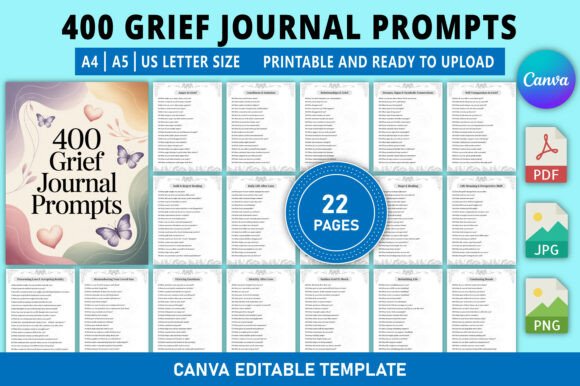
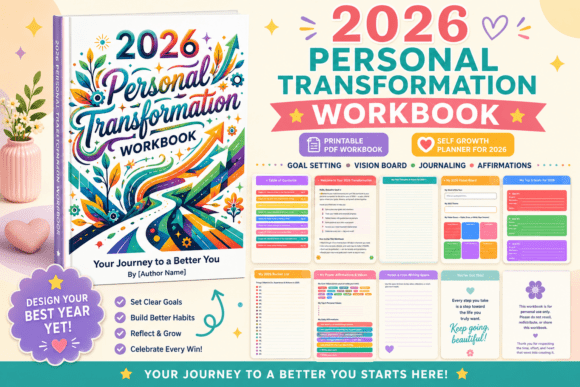
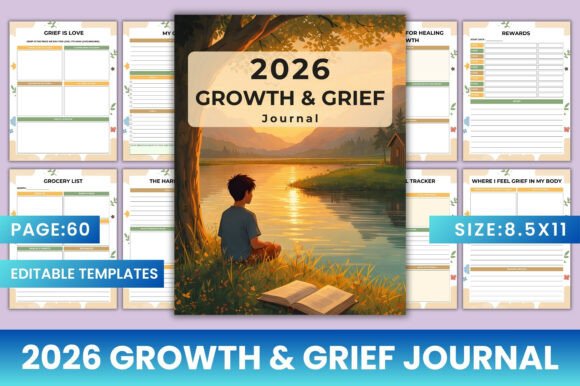
From a professional standpoint, the 2026 Growth Grief Journal is a masterclass in balancing function with emotional resonance. It is built around five core components: structured planning, grief reflection, growth exercises, mind-body awareness, and nature rituals. For a designer, this translates into a rich repository of creative assets. Think about how you can use its layout structures for your next print design or social media graphics. The journal’s color palette and typography choices are deliberately soft yet decisive, a combination that can inform your next branding project. By studying its design, you learn how to guide a user’s journey through visual hierarchy—directing the eye from practical tasks to deep emotional prompts without ever feeling overwhelming. This is pure UX design applied to the printed page.
Visual Hierarchy and Emotional Flow
Every successful design project relies on a clear visual hierarchy that directs the viewer’s attention. The 2026 Growth Grief Journal excels here by using dedicated spaces for different emotional tasks. As you analyze its pages, you will notice that the weekly layouts are clean and grid-based, offering stability. In contrast, the grief reflection pages are more open and airy, allowing for freeform expression. This contrast is a brilliant piece of modern aesthetics. It teaches us that consistency does not mean uniformity. You can apply this same principle to your packaging design or web design: create structured zones for information and flexible zones for emotional connection. A brand identity built on such logic feels both trustworthy and human.
Practical Applications for Creative Projects
How can you use the design principles behind this journal in your own work? Start by considering its potential as a brand asset.
- Branding and Logo Design: The journal’s gentle, nature-inspired tone can guide color palette choices for wellness, lifestyle, or mindfulness brands. Soft earth tones and muted pastels combined with clear, modern typography create an immediate sense of calm.
- Editorial Design and Print Materials: The blend of monthly, weekly, and daily layouts offers a proven template for editorial spreads. Use the concept of “structured flexibility” when designing magazines, annual reports, or interactive PDFs.
- Digital Products and UI/UX: The journal’s trackers for emotions, habits, and nature rituals are perfect for app interface design. Think of how you might create a digital journal or habit tracker—the visual consistency across these pages reduces cognitive load while enhancing user engagement.
- Marketing and Social Media Graphics: Use the journal’s prompt-based system to generate content themes. A single “growth exercise” page can inspire an entire series of Instagram carousels or LinkedIn posts focused on mindset and professional development.
Typography and Readability in Brand Identity
Typography is a cornerstone of any creative resource. In examining the 2026 Growth Grief Journal, note how the font choices distinguish between actionable tasks (lists and goals) and reflective prompts (open questions and affirmations). This dual-typography approach is a professional design workflow essential. When you are working on web design or UI design, using different typefaces for headings and body text can create a clear visual hierarchy. For a brand identity project, consider how a sans-serif for efficiency and a serif for emotional warmth might work together. The journal proves that modern aesthetics do not have to sacrifice readability; in fact, clarity is the ultimate form of user respect.
Bringing Nature and Structure to Your Design Workflow
One of the most overlooked aspects of design is the inclusion of natural rhythms. The 2026 Growth Grief Journal incorporates ecotherapy logs and sunlight trackers. From a packaging design perspective, this organic element can be translated into sustainable material choices or product copy that speaks to seasonal cycles. For a visual designer, think about how you can integrate natural textures, botanical motifs, or grounding color gradients into your next project. In digital marketing, using nature-themed visual metaphors can improve user engagement by appealing to our innate need for calm and connection. The journal’s flexible notes and list pages are also a gift for print designers: they remind us that white space is not empty—it is a canvas for the user’s own story.
Scalability and Cohesion Across Media
The files included with this journal—high-quality PDF, PNG, and JPG formats at a standard 8.5x11 inch size—are a lesson in design asset management. When building a brand identity, scalability is everything. The fact that these templates can be resized means they are ready for anything from a personal binder to a social media graphic. For creative projects, this reinforces the importance of designing in vectors and using smart object layers. A cohesive design workflow allows you to repurpose content across print design, web design, and digital products without losing quality. Your clients will appreciate a system that feels unified yet adaptable.
Final Thoughts on Quality Creative Assets
In the world of professional graphic design, every element we choose carries meaning. The 2026 Growth Grief Journal stands out because it proves that design can be both a functional tool and a source of healing. Its blend of structure, emotional depth, natural rhythms, and flexible layouts offers a rich source of design inspiration. Whether you are a creative director planning a campaign, a freelancer building a brand kit, or a marketer designing social media content, the principles embedded in this journal can elevate your work. By thoughtfully combining typography, visual hierarchy, and user-centered spaces, you create experiences that are not only beautiful but deeply resonant. In a sea of digital noise, a well-designed resource like this reminds us that the most powerful designs are those that help people move forward with intention.