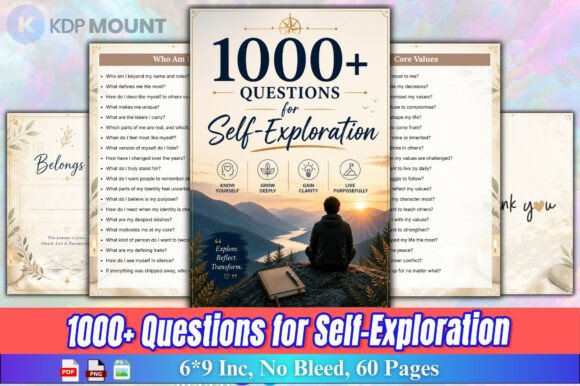
1000 Questions for Self-Exploration: A Guided Path to Inner Transformation
In a world filled with constant noise and external demands, finding time for genuine self-reflection can feel like a luxury few can afford. Yet, understanding who we are at our core is essential for making aligned decisions, building meaningful relationships, and living with purpose. The 1000 Questions for Self-Exploration journal offers a structured yet deeply personal approach to this inner work. It is not simply a collection of prompts; it is a carefully designed workbook that guides you through layers of identity, mindset, emotional awareness, and past healing. Whether you are new to journaling or a seasoned practitioner, this tool provides a clear framework for exploring your thoughts, behaviors, and life direction with honesty and curiosity.
What Makes This Journal Different?
Many journals focus on daily gratitude or general reflection, but the 1000 Questions for Self-Exploration takes a more comprehensive approach. It is organized into thematic sections that build on one another, starting with foundational questions about who you are and gradually moving into deeper territories like core values, limiting beliefs, emotional triggers, and life purpose. The early pages, such as the “Who Am I?” and “Core Values” sections, immediately invite you to confront your authentic self rather than the version you present to the world. This progressive structure ensures that you are not just skimming the surface but engaging in meaningful introspection that can lead to lasting personal growth.
Key Features of the Journal
- Self-Discovery Identity Sections: Prompts that explore your personality, strengths, weaknesses, and the roles you play in different areas of life. These questions help you recognize patterns and understand how your identity has been shaped by experiences and choices.
- Mindset and Thought Awareness: Exercises focused on your inner dialogue, cognitive biases, and decision-making processes. By examining how you think, you can begin to identify and reframe unhelpful beliefs that may be holding you back.
- Emotional Intelligence and Awareness: Deep dives into your emotional responses, triggers, stress patterns, and fears. This section is designed to increase your capacity to understand and regulate emotions, fostering resilience and empathy.
- Past Reflection and Healing: Guided prompts for examining your history, including significant events, relationships, and lessons learned. These questions encourage compassionate reflection rather than rumination, helping you integrate past experiences into a stronger sense of self.
- Life Purpose and Vision: Later sections help you align your daily actions with your values and long-term aspirations, offering clarity on what truly matters to you.
The journal also includes a personalized “Belongs To” page, making it easy to claim as your own and track your unique journey.
Who Can Benefit from This Workbook?
This journal is designed for a wide audience, from individuals seeking personal clarity to professionals who work with others on growth and development. Its versatility makes it suitable for several groups:
- General consumers: Anyone looking to deepen their self-understanding, navigate life transitions, or build a consistent self-care practice. The 1000 questions provide enough variety to keep the practice fresh over months or even years.
- Professionals and creators: Artists, writers, entrepreneurs, and leaders often benefit from reflective practices that spark creativity and strategic thinking. By exploring core values and mindset patterns, they can make more intentional decisions about their work and life balance.
- Business owners and managers: Self-awareness is a cornerstone of effective leadership. This journal can help professionals identify blind spots in communication, stress management, and team dynamics, leading to healthier workplace relationships.
- Coaches, therapists, and educators: The structured yet open-ended prompts can be used as supplemental tools for clients or students. Because the journal covers identity, emotions, and past experiences, it supports various therapeutic or developmental frameworks.
- Online users and content creators: For those who share personal growth content, this journal offers material for discussion, challenges, or community engagement. It can inspire thoughtful posts, podcast episodes, or group reflection sessions.
Real-World Scenarios and Practical Applications
The usefulness of the 1000 Questions for Self-Exploration becomes evident when you consider how it fits into different lifestyles and goals. Here are a few scenarios where this journal can make a real difference:
Scenario 1: Navigating a Career Change
Imagine you are feeling stuck in your current role but unsure about what direction to take. Instead of relying on external advice alone, you turn to the mindset and core values sections of the journal. The questions prompt you to examine what success truly means to you, how your past decisions have shaped your career path, and what fears are keeping you from pursuing a new opportunity. Over several sessions, patterns emerge: you realize that autonomy and creativity rank higher than financial security in your value system. This clarity helps you craft a transition plan aligned with your authentic priorities.
Scenario 2: Healing from a Difficult Relationship
After a breakup or conflict, it is common to replay events without gaining new insight. The past reflection and healing section of the journal offers a framework to explore your emotions, attachments, and assumptions about relationships. By answering questions about your own behavior and expectations, you can move from blame to self-compassion. For instance, you may discover a pattern of ignoring your own needs to please others, which then becomes a focal point for personal growth in future interactions.
Scenario 3: Building Daily Self-Awareness Practice
For those who want to incorporate reflection into their daily routine, the journal’s varied prompts prevent monotony. You might choose one question each morning to set an intention, or answer a longer set weekly. The emotional intelligence section, in particular, helps you track trigger responses and develop healthier coping strategies over time. This consistent practice can lead to improved stress management and more mindful communication.
Strengths and Considerations
Like any self-improvement tool, this journal has distinct strengths and a few considerations to keep in mind. Understanding these will help you decide how best to use it for your personal needs.
Strengths
- Depth and breadth: With 1000 questions, the journal covers a wide range of topics without feeling repetitive. The organization into themes allows you to focus on areas most relevant to your current life stage.
- Progressive structure: Starting with identity and moving toward purpose means you build a foundation before tackling more complex emotional or existential questions. This reduces the risk of feeling overwhelmed.
- Practical design: The clean layout and “Belongs To” page add a personal touch. The questions are open-ended enough to allow for varied responses but specific enough to guide reflection.
- Versatility: It can be used alone, with a partner, or in group settings. For professionals, it doubles as a client resource or workshop material.
Considerations and Limitations
- Time commitment: Fully engaging with all 1000 questions requires a significant investment of time. For those seeking quick fixes, this journal may feel daunting. It works best as a long-term companion rather than a one-time exercise.
- Emotional intensity: Some sections, particularly those on past healing and emotional awareness, can bring up uncomfortable feelings. It is important to approach these prompts at your own pace and seek support if needed.
- No digital version mentioned: Depending on your preference, a physical journal may not be as portable or accessible as a digital file. However, the tangible nature can also enhance the reflective experience by reducing screen time.
- Self-motivation required: The journal provides structure but does not include accountability features like check-ins or reminders. Users must be proactive in setting aside time for reflection.
How to Evaluate If This Journal Is Right for You
Choosing a personal growth tool requires honesty about your goals, style, and current capacity for self-work. Here are a few guidelines to help you assess whether the 1000 Questions for Self-Exploration aligns with your needs:
- Define your intention: Are you looking for a deep, ongoing exploration of your identity and life direction, or do you prefer lighter, more casual journaling? This workbook is best suited for those ready to engage with challenging questions over several months.
- Consider your preferred format: If you enjoy writing by hand and having a physical artifact of your reflections, the journal format is ideal. If you prefer typing or note-taking apps, you may need to adapt the prompts to a digital medium.
- Assess your emotional readiness: The healing and emotional awareness sections invite vulnerability. If you are currently in a fragile emotional state, consider using the journal with a therapist or skipping certain prompts until you feel more stable.
- Think about your support system: Some questions may lead to insights that you want to discuss with others. Having a trusted friend, coach, or community can enhance the value of this practice.
- Match the scope to your time: If you can dedicate 15-30 minutes a few times a week, the journal can fit into a sustainable routine. If you prefer rapid transformation, you might focus on specific sections rather than attempting to answer all 1000 questions.
Final Thoughts on the Journey
Self-exploration is not a destination but a continuous process of discovery and growth. The 1000 Questions for Self-Exploration journal offers a reliable map for this journey, helping you navigate the complexities of your inner world with clarity and compassion. Whether you use it to heal old wounds, sharpen your decision-making, or simply understand yourself better, the value lies in the honest answers you give yourself. By investing time in this reflection, you are taking a deliberate step toward living a life that feels more authentic and aligned. For anyone ready to look inward and ask meaningful questions, this guided workbook is a worthy companion.